
Harley Weir using the body, beauty and artificiality as material
Harley Weir and Beauty Papers (2022), a provocative exploration of beauty, the body and the uneasy space between
the natural and the manufactured. Through sex dolls, artificial skin, prosthetics, bodily fluids and traditionally “beautiful” imagery,
Weir asks us to reconsider what we’ve been taught to desire and why the grotesque can
sometimes feel more human than perfection.
LATEST • charlotte pang • february 17th, 2026

Weir looks at the gap between the real body and the manufactured body. She mixes photographs of herself, sex dolls, artificial skin, prosthetics, bodily fluids and traditionally “beautiful” imagery. We are taken aback in questioning what parts of our mind decides what is beautiful and if through the right vision can we shape anything to be so?
The book is particularly interested in the way contemporary beauty has become artificial and performative, especially through fashion, cosmetic procedures and social media.
Weir describes being surrounded by images of beautiful people through her work in fashion. She sees this as a kind of trap: you can recognise that the standards are unhealthy or unrealistic, but you still feel pressure to participate in them.
Before Beauty Papers, Weir was known for photographing other people’s bodies, but she had never really put herself in front of the camera.
This was her first project in which she essentially makes herself the subject, but she doesn’t present herself straightforwardly. She hides, alters and distorts herself. So even when we’re looking at Harley, we’re often not really being given access to “Harley”. We’re looking at a constructed version of her.
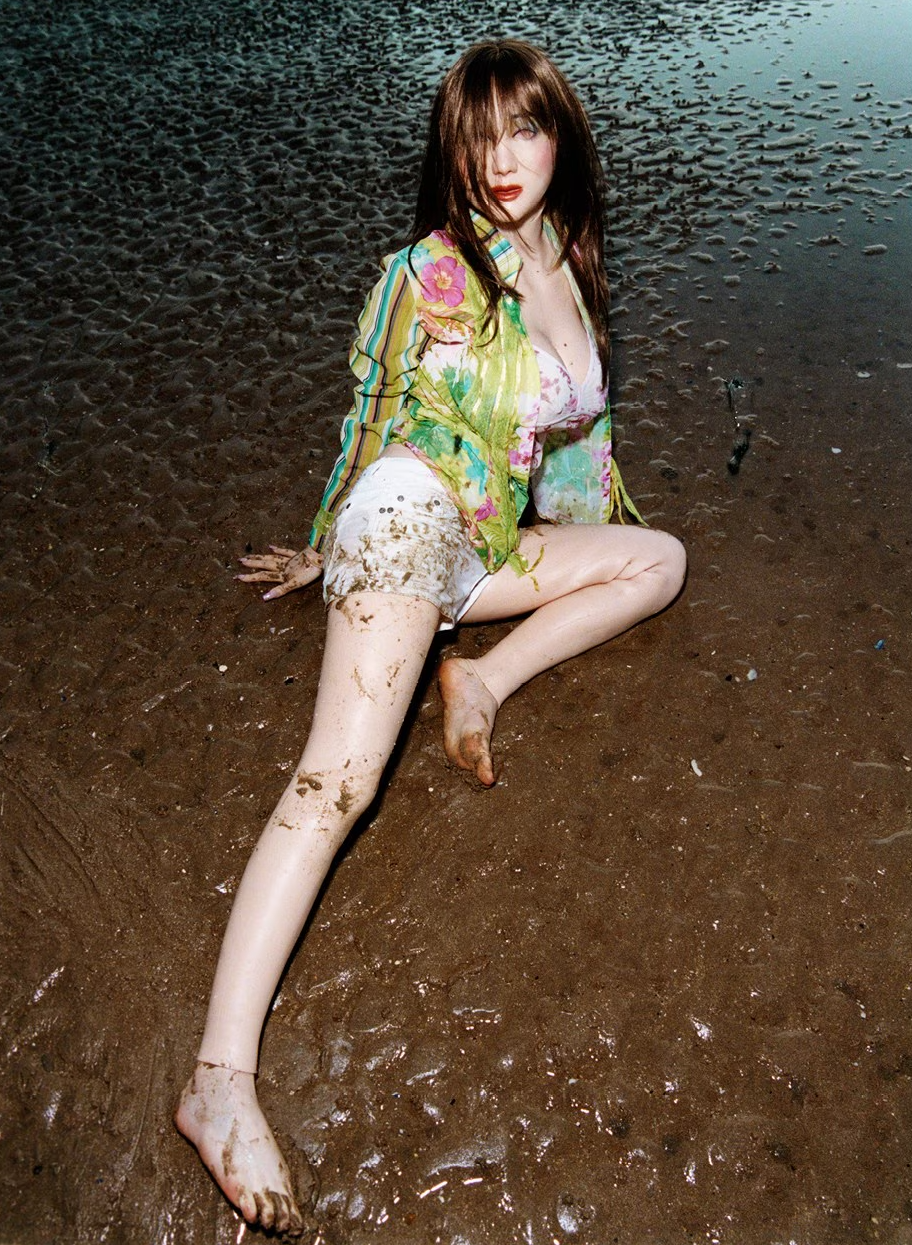
She includes sex dolls as prominent to her project. As we speak about how women and beauty are perceived and idealized, we can’t avoid the clear question of what that looks like when you materialize those standards.
They have perfect skin, exaggerated features and permanently desirable expressions, and are also completely lifeless. Asking whether the “perfect” body is actually more attractive than a strange, flawed or genuinely human one.
There’s still the softness and intimacy associated with her photography, but it gets contaminated by things that feel slightly wrong. It turns the ideas of beauty upside down, questioning ourselves into why we now feel so uncomfortable by something that we were told we wanted.